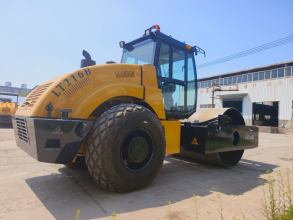
Key Inspection Items for Road Roller Vibration Chamber
1. Vibration Chamber Oil Level & Oil Quality Check
Check the internal lubricating oil level of the vibration chamber strictly before construction. Ensure the oil volume stays within the standard scale range to guarantee sufficient lubrication for eccentric shafts, bearings and internal transmission parts. Meanwhile, inspect the oil quality regularly. Replace deteriorated, emulsified or impure lubricating oil in time to prevent wear, high temperature and mechanical jamming inside the vibration chamber during high-frequency vibration operation.
2. Seal & Leakage Inspection
Examine all sealing positions, oil seals and connection joints of the vibration chamber for oil leakage and seepage. Long-term vibration operation may cause seal aging and loose fitting gaps. Minor oil leakage will lead to insufficient lubrication, while severe leakage will directly cause vibration system failure and equipment shutdown. Timely replacement of aging seals is required to ensure the tightness of the vibration chamber.
3. Abnormal Noise & Vibration Detection
Start the road roller for idle and trial vibration operation. Carefully check the vibration chamber for abnormal impact noise, friction sound and irregular shaking. Stable vibration indicates normal operation of internal eccentric blocks and bearings. Strange noise usually symbolizes part wear, loose fasteners or foreign matter inside the chamber, which needs thorough inspection and troubleshooting before formal compaction work.
4. Fastener & Structural Inspection
5. Vibration System Functional Test
Importance of Standard Vibration Chamber Maintenance
If you need professional road roller maintenance guidance or high-quality construction compaction equipment, feel free to contact us for detailed technical support and factory quotations.