1. Conduct In-Depth Market Research to Grasp Core Demand
In-depth market research is the foundation for successfully entering the Philippine road roller market, as it helps identify demand characteristics, pain points, and market gaps. Firstly, it is crucial to analyze the demand drivers. The Philippine government has listed infrastructure construction as a core driver of economic growth, with 5,329 priority infrastructure projects planned between 2023 and 2028, involving a total investment of 362.6 billion US dollars, which will directly drive the demand for road rollers in road, bridge, and port construction. Meanwhile, the rapid growth of the residential and commercial real estate sectors in urban areas has also increased the demand for road rollers in supporting infrastructure such as community roads and parking lots.
Secondly, it is necessary to understand the demand for product specifications. The Philippine construction market is dominated by medium and small-sized projects, and considering its geographic characteristics of 7,641 islands, road rollers with compact size, strong maneuverability, and easy transportation across islands are more popular. In addition, due to the country’s high vulnerability to natural disasters such as typhoons and floods, road rollers need to have high durability, corrosion resistance, and the ability to adapt to harsh construction environments. It is also important to pay attention to local emission standards and energy policies to ensure that products comply with Philippine environmental regulations.
Finally, an analysis of the competitive landscape is essential. Major players in the Philippine construction equipment market include international brands such as Caterpillar, Komatsu, and Volvo CE, as well as Chinese brands such as Sany and XCMG that have already established a presence. International brands have advantages in brand recognition and after-sales service, while Chinese brands excel in cost-effectiveness and product adaptability. Identifying the strengths and weaknesses of competitors helps in formulating differentiated market strategies.
2. Adapt Products to Local Needs and Policy Environment
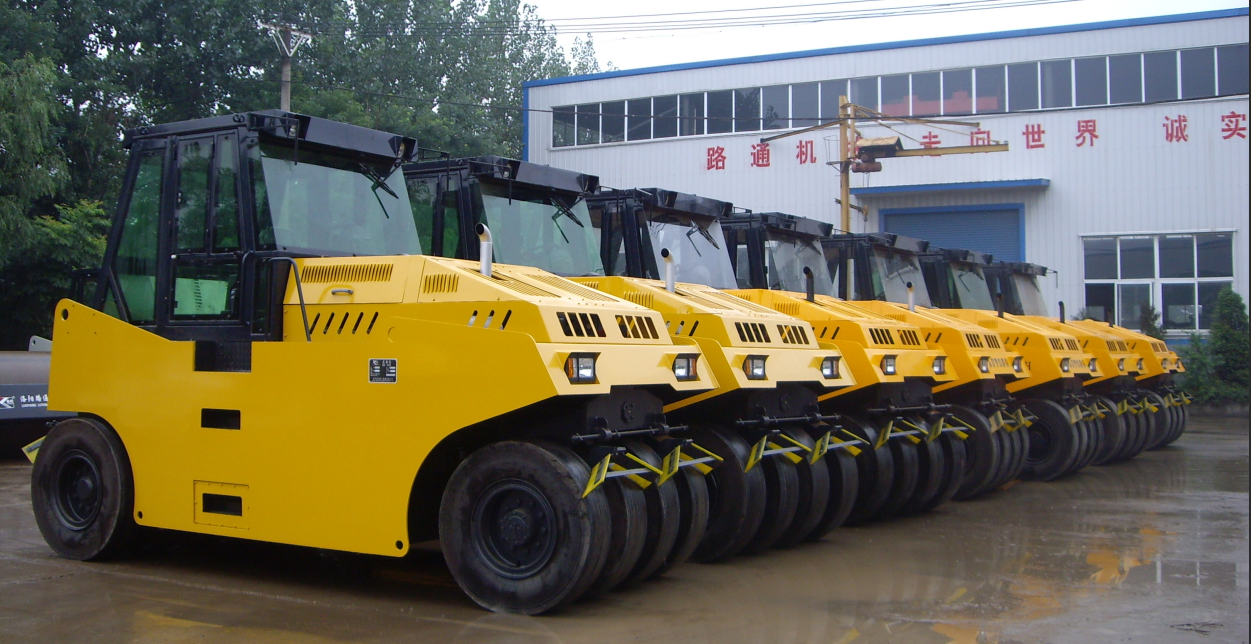
Product adaptation is a key factor in gaining market acceptance. Based on the results of market research, manufacturers should optimize product design to meet local construction needs and policy requirements. Firstly, in terms of product performance, it is necessary to develop compact, energy-efficient, and easy-to-maintain road rollers. For example, lightweight road rollers suitable for small-scale rural road construction and medium-sized road rollers for urban infrastructure projects can be launched to cover different market segments. At the same time, strengthening the structural stability and waterproof performance of products to withstand the impact of natural disasters such as typhoons and floods is crucial.
Secondly, compliance with local policies and regulations is non-negotiable. The Philippine government has issued Executive Order 313, which stipulates that BOI-registered enterprises can enjoy a 0% or 1% tariff rate when importing machinery and equipment, spare parts, and accessories that are not produced domestically in sufficient quantity, comparable quality, and reasonable price. Manufacturers should actively apply for BOI registration to reduce import costs. In addition, it is necessary to ensure that products meet local emission standards and safety regulations to avoid legal risks.
Thirdly, optimizing product after-sales support is essential. The high maintenance costs and lack of skilled operators are major pain points for Philippine construction enterprises when using road rollers. Manufacturers should provide spare parts supply services that are timely and cost-effective, and train local operators and maintenance personnel to improve the operational efficiency and service life of products. This not only enhances customer satisfaction but also helps build a good brand reputation.
3. Build Diversified Sales Channels to Break Geographic Barriers
The Philippine archipelagic geography brings great challenges to the construction of sales channels, as traditional centralized sales networks are difficult to cover the entire country. Therefore, building diversified sales channels that combine online and offline methods is crucial to expanding market coverage.
Offline channels should focus on establishing strategic partnerships with local distributors and agents. Local distributors have in-depth understanding of the local market, rich customer resources, and mature logistics networks, which can help foreign manufacturers quickly penetrate the market. When selecting distributors, priority should be given to those with experience in the construction equipment industry, good reputation, and strong after-sales service capabilities. In addition, participating in local construction exhibitions and industry seminars, such as the Philippine Construction Show, can help showcase products, enhance brand visibility, and establish connections with potential customers and partners.
Online channels should leverage the Philippines’ status as the "global social media capital" to carry out digital marketing. With 97.5 million internet users and an average daily social media usage time of 3 hours and 32 minutes, social media has become an important channel for reaching potential customers. Manufacturers can establish official accounts on Facebook, TikTok, and other platforms, release lightweight and visually appealing content such as product operation videos, project case studies, and after-sales service stories to attract the attention of young decision-makers such as project managers and equipment operators. In addition, building a mobile-optimized official website and online consultation platform can facilitate customers to obtain product information and consulting services anytime and anywhere.
In addition, exploring government procurement and large-scale project cooperation is an important way to expand market share. The Philippine government’s infrastructure projects are mainly funded by government budgets and international loans, and participating in government bidding can bring stable orders. Manufacturers should actively understand the government’s bidding information, prepare bidding documents in accordance with the requirements, and highlight the advantages of their products in cost-effectiveness, performance, and after-sales service.

4. Strengthen Brand Building and Establish Local Trust
Brand trust is crucial in the Philippine road roller market, especially for foreign manufacturers. Due to the lack of a sound corporate credit system, Philippine customers often rely on brand reputation and word-of-mouth when making purchasing decisions. Therefore, strengthening brand building and establishing local trust are essential for long-term market development.
Firstly, it is necessary to position the brand clearly. Foreign manufacturers can position themselves as providers of cost-effective, reliable, and user-friendly road roller solutions, highlighting their advantages in product quality, after-sales service, and technological innovation. For example, Chinese brands can emphasize their cost-effectiveness and flexible customization capabilities, while European and American brands can focus on their technological advantages and long service life.
Secondly, carrying out localized marketing activities can enhance brand recognition and affinity. For example, sponsoring local infrastructure projects, participating in community public welfare activities, and cooperating with local technical schools to carry out training programs can help establish a good brand image. In addition, collecting customer feedback in a timely manner, solving customer problems, and encouraging satisfied customers to share their experiences can help spread positive word-of-mouth.
Thirdly, building a localized team is conducive to enhancing brand trust. Hiring local employees for sales, after-sales service, and management can better understand local customer needs and cultural habits, and provide more personalized services. At the same time, establishing a local after-sales service center can improve the response speed of after-sales service and enhance customer confidence in the brand.
5. Address Potential Challenges and Risks Proactively
Developing the Philippine road roller market also faces a series of challenges and risks, which need to be addressed proactively. Firstly, bureaucratic red tape and complex approval procedures may delay project progress and increase operational costs. Manufacturers should hire local legal and consulting professionals to familiarize themselves with local policies and procedures, and actively communicate with government departments to ensure the smooth progress of projects.
Secondly, the volatility of the Philippine economy and exchange rate may bring financial risks. Manufacturers should formulate reasonable pricing strategies, adopt flexible payment methods, and use financial tools such as exchange rate hedging to reduce the impact of exchange rate fluctuations. In addition, it is necessary to pay attention to the local economic situation and adjust market strategies in a timely manner.
Finally, the shortage of skilled operators and maintenance personnel may affect the promotion and use of products. Manufacturers should strengthen cooperation with local technical training institutions to carry out professional training programs, improve the skills of local operators and maintenance personnel, and provide long-term technical support.
Conclusion
The Philippine road roller market has broad development prospects driven by the government’s infrastructure construction initiatives and the growth of the construction industry. To successfully develop this market, manufacturers need to conduct in-depth market research, adapt products to local needs and policies, build diversified sales channels, strengthen brand building, and proactively address potential challenges. By combining localized strategies with their own advantages, manufacturers can effectively penetrate the Philippine road roller market, gain market share, and achieve sustainable development. With the continuous advancement of the "Build Better More" program and the deepening of international cooperation, the Philippine road roller market will usher in greater development opportunities in the future.