Here is a step-by-step guide to maintaining your roller.
1. Daily Pre-Operation Inspection (Walk-Around)
Before starting the engine, a thorough visual inspection can catch small issues before they become major failures.
Fluid Levels: Check the engine oil, hydraulic fluid, coolant, and fuel levels. Never remove the radiator cap while the engine is hot.
Leaks: Look under the machine for any signs of oil, fuel, or hydraulic leaks. Even a small drip can indicate a loose fitting or a failing seal.
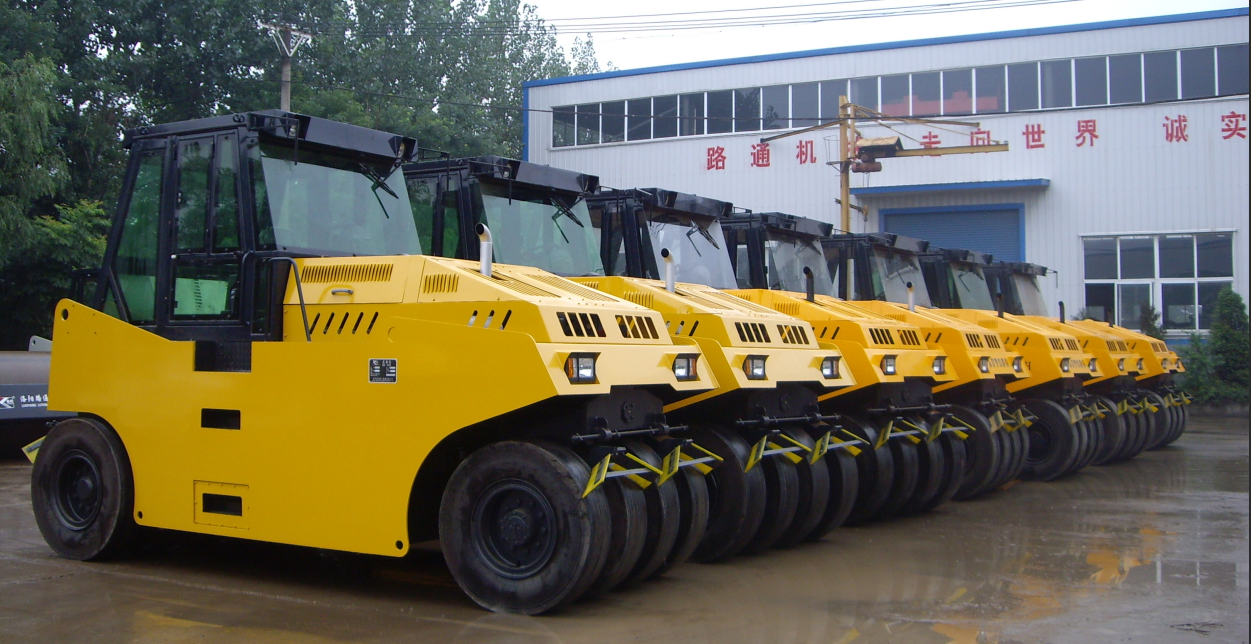
Tires/Drum: For pneumatic rollers, check tire pressure and look for cuts or embedded debris. For steel drum rollers, inspect the drum surface for excessive wear, chipping, or large pieces of material stuck to it.
Scrapers: This is critical. Check the scrapers (the metal bars that press against the drum). They prevent material from sticking to the drum. If they are worn out, loose, or clogged, material will build up, ruining the compaction quality and stressing the drum drive system. Ensure they are tight and have proper contact with the drum.
Water System: For asphalt rollers, check the water tank level and spray nozzles. Clogged nozzles are the most common cause of asphalt sticking to the drum.
Bolts and Fasteners: Check the articulation joint (center pin) and all wheel lugs for looseness.
2. Engine and Power Train Maintenance
The engine is the heart of the machine. Strict adherence to the manufacturer’s service intervals is mandatory.
Engine Oil & Filter: Change the engine oil and filter according to the hour meter (typically every 250–500 hours, depending on the environment). Use the viscosity grade recommended for your climate.
Fuel System: Replace the fuel filters regularly. In dusty environments, this should be done more frequently. Keep the fuel tank full at the end of the day to prevent condensation (water) from forming inside the tank.
Air Filters: In construction environments, dust is the enemy. Check the air filter indicator daily. Clean the outer filter element with compressed air (blow from the inside out) if it is serviceable, but replace it according to the schedule.
Battery: Check battery terminals for corrosion and ensure they are tightly connected. Keep the battery clean and dry.
3. Hydraulic System
The hydraulic system powers the steering, drive, and vibration mechanisms.
Hydraulic Fluid: Check the sight glass daily. Low fluid levels indicate a leak that must be found and fixed.
Hoses: Inspect hydraulic hoses for cracking, bulging, or abrasion. A burst hydraulic hose can cause machine downtime and poses a serious burn risk (hot fluid injection).
Filters: Change hydraulic return and pilot filters at the specified intervals. Contaminated hydraulic fluid is the leading cause of pump failure.
4. Drum and Vibration System (For Vibratory Rollers)
The vibration system experiences extreme forces. Neglecting it is expensive.
Vibration Bearings: These are high-wear items. Listen for unusual noises (grinding or squealing) when the vibration is engaged. Grease the vibration bearings daily (or every shift) as per the manual.
Eccentric Weight Oil: If the drum has an oil bath for the eccentric weights, check the oil level weekly and change it at the specified interval. If it looks milky, water has contaminated it, and the seals need replacing.
Isolation Mounts: Check the rubber isolators (the blocks between the drum frame and the main frame). If they are cracked, torn, or collapsed, the vibration will transfer to the operator’s cabin (causing ride discomfort) and the main frame (causing structural damage).
5. Water System (Asphalt Rollers)
For rollers used on asphalt, the water system is the most frequent source of operational issues.
Nozzles: Clean the spray nozzles daily with a wire brush or pick. Hard water deposits or asphalt residue will clog them quickly.
Filters: Clean or replace the inline water filter. If the filter is clogged, the pump will cavitate and fail.
Pump: If the water pump runs dry for even a few minutes, the seals will burn out. Ensure the tank is full before starting.
6. Articulation and Steering
Rollers are designed to pivot in the middle (articulation). This joint requires specific care.
Center Pin: Grease the articulation joint daily. If this pin wears out, steering becomes sloppy, and the machine can become unstable.
Steering Cylinders: Check the steering cylinder ends for play. Worn ball joints cause imprecise steering and can snap under stress.