
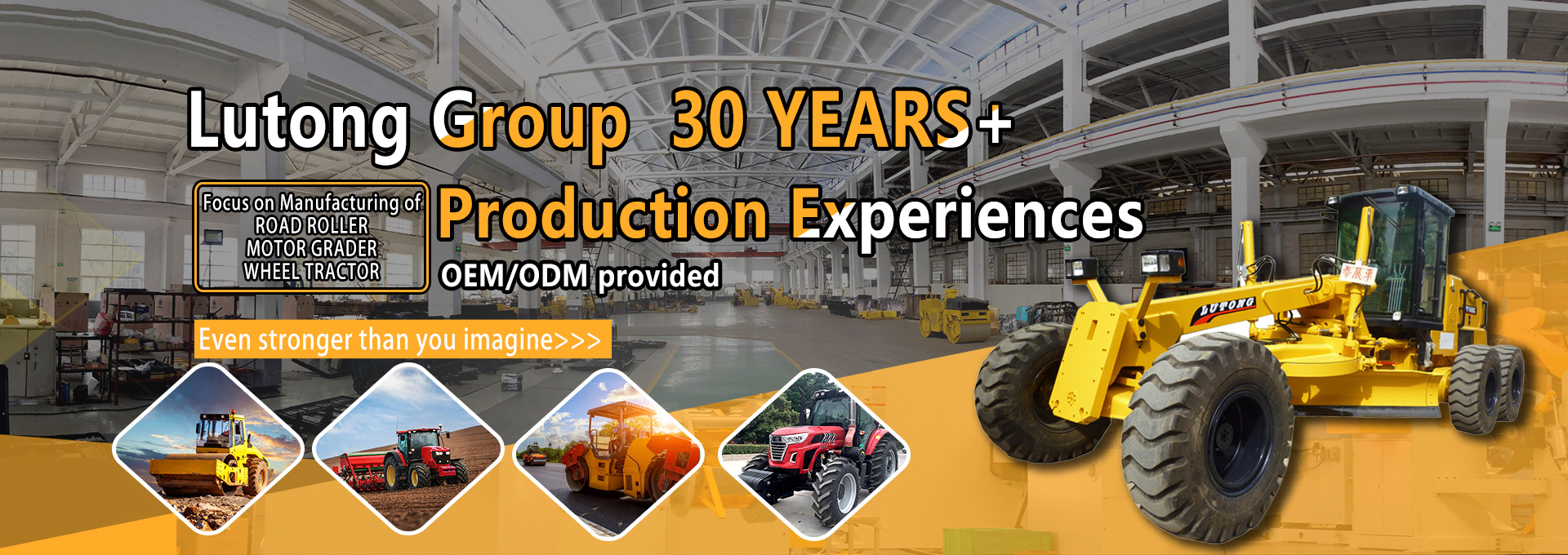
Global Road Roller Industry Analysis 2026
Executive Summary
The global road roller market is a mature yet steadily growing segment within construction machinery, driven by infrastructure investment, urbanization, road maintenance demand, and low-carbon transition. In 2026, the market is valued at approximately USD 9.9–10.8 billion, with a projected CAGR of 2.7%–3.7% through 2030–2035. Asia-Pacific dominates with over 42% revenue share, led by China, India, and Southeast Asia. Key trends include electrification, intelligent compaction, telematics integration, and lightweight–heavyweight product differentiation. Competitive intensity is high: global leaders focus on performance and durability, while Chinese manufacturers expand via cost–performance and aftermarket services.
1. Market Overview & Definition
Road rollers (roller compactors) are core construction machines used to compact soil, gravel, asphalt, and subbase materials for roads, airports, railways, industrial yards, and land development. They ensure structural stability and extend service life, making them indispensable in 67% of global highway projects.
Market Size & Growth
- 2026 estimated size: USD 9.9–10.8 billion
- Forecast CAGR (2026–2030): 2.7%–3.5%
- Drivers: public infrastructure spending, road network expansion, urban housing, and maintenance retrofitting.
2. Market Segmentation
By Product Type
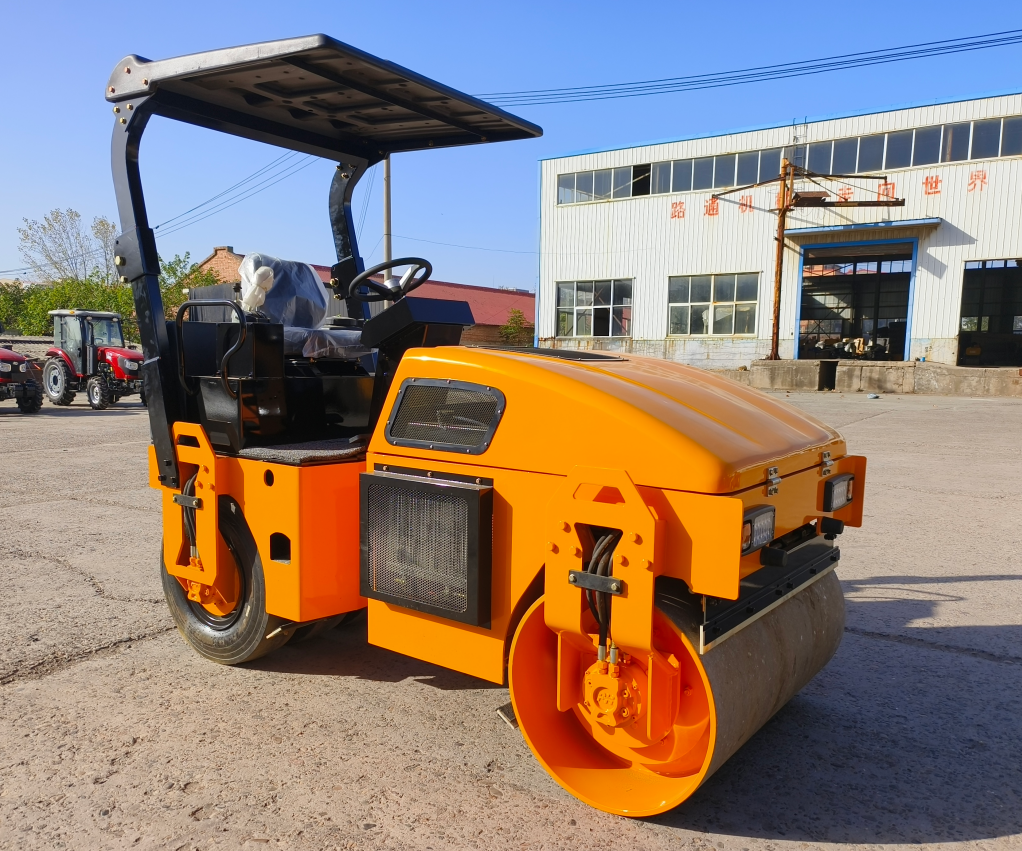
- Vibratory Rollers (Single/Double Drum): Largest share (~55%–65%); high compaction efficiency for soil and asphalt; widely used in highways and municipal works.
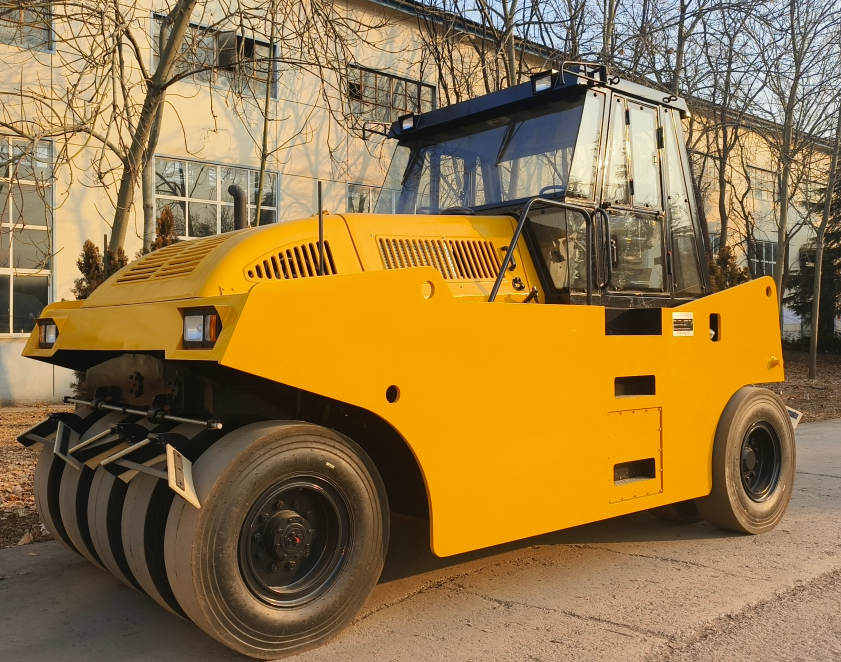
- Pneumatic Tyre Rollers: Ideal for asphalt finish and layered compaction; used in high-grade roads and airports.
- Static Rollers: Traditional models; declining share but retained for light compaction and small projects.
- Tandem Rollers: Preferred for asphalt paving; growing in medium–large construction.
By Weight Class
- Lightweight (<10 tons): Urban maintenance, landscaping, small sites.
- Medium (10–20 tons): Best-selling range for general road construction.
- Heavyweight (>20 tons): High-speed railways, airports, and heavy-duty subgrade compaction.
By Application
- Road construction & maintenance (largest demand)
- Industrial & logistics yard construction
Land development & urban renewal
- Mining & port infrastructure
By Region
- Asia-Pacific: ~42% share; China, India, ASEAN drive mass infrastructure.
- Europe: Stable demand; strict emission rules accelerate electrification.
- North America: Mature market; focus on replacement, intelligent systems, and rental.
- LAMEA: Fastest growth; supported by national infrastructure programs.
3. Key Growth Drivers
- Global Infrastructure Investment: G20 and emerging economies ramp up transport, energy, and urban projects.
- Road Maintenance Backlog: Aging networks raise demand for compactors in rehabilitation.
- Electrification & Emission Regulations: EU Stage V, China Non-road IV, and US EPA push diesel-to-electric transition.
- Intelligent & Digital Upgrade: Telematics, automatic compaction control, and IoT improve quality and efficiency.
- Rental Model Penetration: Lower upfront cost for SMEs; boosts fleet turnover.
4. Industry Challenges
- High Upfront & Maintenance Cost: Hydraulic, electronic, and sensor components lift CAPEX and OPEX.
- Skilled Operator Shortage: Smart machines require training; ~50% of contractors report recruitment difficulty.
- Component Supply Volatility: Hydraulic pumps, semiconductors, and rubber cause delays and cost swings.
- Low-End Price War: Fragmented small makers compress margins in emerging markets.
Policy & Trade Uncertainty: Tariffs, emission updates, and subsidy changes affect production and exports.
5. Competitive Landscape
The market is concentrated among global leaders with strong regional challengers.
Key Players
- Global: Caterpillar, Volvo CE, BOMAG (FAYAT), Dynapac, JCB, Wacker Neuson
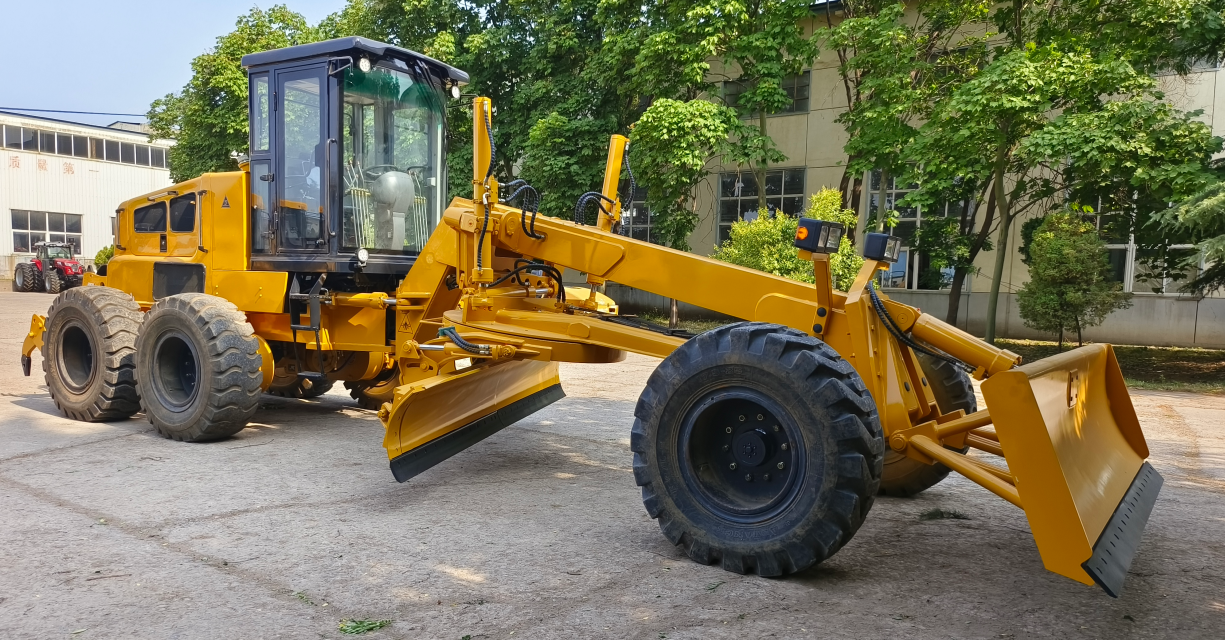
- Chinese Leaders: XCMG, SANY, LiuGong, XGMA, Shantui
- Regional: Speedcrafts, Sakai, Changlin
Competitive Strategies
- Technology: Electric drives, autonomous compaction, fuel efficiency, telematics.
- Cost & Scale: Chinese makers gain share via localized supply chains.
- Aftermarket: Parts, service, rental, and used-machine programs.
- Channel: Direct sales to large contractors; distributors for regional coverage.
Porter’s Five Forces Summary
- Threat of New Entrants: Medium; high capital, R&D, and certification barriers.
- Substitute Threat: Medium; plate compactors compete only in small jobs.
- Buyer Power: High; large EPC firms negotiate volume and specs.
- Supplier Power: Medium; reliance on core hydraulic and electronic components.
- Rivalry: High; innovation, price, and service define competition.
6. Technology & Trend Outlook 2026–2030
- Electrification: Battery-powered rollers expand; hybrid models bridge reliability and cost.
- Intelligent Compaction: Real-time compaction monitoring, GPS mapping, and quality assurance.
- Lightweight & Modular Design: Ease transport, reduce fuel use, and improve maneuverability.
- Green Manufacturing: Recyclable materials, low-noise, and low-emission production.
Rental & Subscription: Pay-per-use and fleet management lower entry barriers.

7. Future Outlook (2026–2030)
- Volume: Steady growth led by Asia-Pacific and Middle East infrastructure.
- Structure: Vibratory and tandem rollers remain dominant; electric penetration rises.
- Profitability: Premium intelligent/electric models improve margins; low-end stays pressured.
- Risk: Monitor raw material prices, emission rules, and geopolitical trade frictions.
Conclusion
The road roller industry remains stable and growth-oriented, supported by long-term infrastructure needs. Winners will balance technological innovation (electric, intelligent), cost competitiveness, and aftermarket capabilities. For manufacturers, regional customization, supply chain resilience, and digital service capability will be critical to capture share in both emerging and mature markets.